

Brisbane

Thu 27 – Fri 28 May 2027
9.00am – 3.30pm

Brisbane
Brisbane Convention & Exhibition Centre
Conference sponsor

2
Days of learning
10+
Expert speakers
10+
Sessions & workshops
As school libraries continue to evolve, the School Library Professionals Conference explores their essential role in supporting teaching, learning and student wellbeing. Covering key areas including AI and digital literacy, reading engagement, inclusive library practices, community connections and library leadership, the conference brings together teacher librarians, educators and school leaders to share practical strategies and innovative ideas. Discover how to strengthen reading cultures, foster critical thinking, create inclusive library spaces and demonstrate the value of school libraries as vibrant learning hubs that inspire and empower students.
Available now
Ends Thursday 31 December 2026
1-day pass
$395 + GST
2-day pass
$745 + GST
Ends Wednesday 31 March 2027
1-day pass
$455 + GST
2-day pass
$845 + GST
Available from 1 January 2027
From Thursday 1 April 2027
1-day pass
$495 + GST
2-day pass
$895 + GST
Full price
Program story
More than a series of sessions, this program explores the evolving role of the school library as a centre for leadership, learning and connection. Each conversation builds on the one before it, moving from demonstrating impact and inspiring engagement to developing independent learners, amplifying student voice and helping young people think critically, navigate AI and determine what information they can trust.
LEAD
→
CONNECT
→
DEMONSTRATE
→
INSPIRE
→
DISCERN
→
LEARN
→
CURATE
→
LISTEN
→
APPLY
→
VERIFY
Get a sneak peek at some of the sessions you can look forward to attending.
No one has a crystal ball, and when change seems constant, it is hard to know what to prepare for. Yet change rarely arrives without warning. It appears first in small ways: a question at the desk no one has asked before, a new habit in how students search, a book request that does not quite add up. School library staff often notice these moments before anyone else, because few others in a school see every year level, every subject area and what students do when they look for information.
In this presentation we will explore how to recognise these early signals, test them against wider evidence and decide which ones matter. Drawing on current research and trend reports from libraries, education and beyond, she shows how the daily work of curation, reading and building relationships with students places library staff at the centre of a school’s response to change.
Participants will leave with a clearer view of the challenges ahead, tools for spotting and checking change in their own setting, and strategies for turning observations into influence. Whatever their title, qualification or hours, they will recognise the leadership they already exercise, and how to make it count.

Dr Kay Oddone
School libraries in regional and remote areas can become the centre of their school and community—a place where everyone feels welcome and supported. This presentation will provide simple, practical ideas for how librarians and teachers can connect with their community and make their library more inclusive.
We will talk about ways to make sure everyone can access and use the library, including people from different cultures or backgrounds, Indigenous students, students who speak different languages, and students with diverse learning needs. This includes working closely with families, local community members, and groups, and organising programs and activities that reflect the unique identity of the school’s community.
The session will share real-life examples from schools that have successfully made their library a community hub, even when dealing with challenges like distance, small populations, or limited resources. There will be time for discussion and participants will work together on simple plans to help their own school library better meet the needs of everyone in their community.

Katherine Garner
We all know the campaigns—School Libraries Matter, Students Need School Libraries—and as library professionals, we agree wholeheartedly. But how do we actually show what we’re doing and prove our impact? This session is all about sharing practical, down-to-earth ways to demonstrate the difference your library makes every day. We’ll chat about how to capture evidence of the great things happening in your library, ways to tell your story, and tips for getting your school executive and wider community on board. By the end, you’ll have ideas for value-adding activities and simple strategies to highlight your library’s unique contribution—so you can confidently advocate for the essential role of school libraries.

Barbara McGuigan
What happens when children don’t simply read about the natural world, but notice it, question it, investigate it and transform their discoveries into stories?
Eco-storytelling connects literature, nature and creativity, giving children meaningful reasons to read, research, write and care about the world around them. Stories can build empathy for animals and environments, while inquiry deepens knowledge and helps children move from simply learning about nature to becoming curious, informed and engaged with it.
In this highly interactive workshop, award-winning author-educator Aleesah Darlison demonstrates how natural objects, real-world specimens and picture books can become powerful starting points for literacy, science, sustainability, inquiry and creative learning.
Participants will experience eco-storytelling through the Wonder Framework: Notice, Question, Investigate, Create, Share, Care & Act. Through collaborative activities using specimens, natural objects and environmental texts, educators will practise Wonder Routines that encourage close observation, generate questions, prompt research and transform discoveries into fiction, narrative nonfiction and other creative responses.
Participants will leave with practical, adaptable strategies for creating eco-storytelling experiences across year levels, along with ideas for using books, collections, specimens and the natural world to inspire curiosity, creativity, critical thinking and care.
Take-away resources include an Eco-Storytelling Planning Template, Wonder Question Cards and a curated list of recommended eco-picture books.

Aleesah Darlison
Adolescents develop their understanding of what to trust and how to learn at home and school, and through books, phones, and digital media. They also explore with friends, through experiences, and in daily decisions, often interpreting information through a lens of personal relevance. However, broader discussions about information and knowing in education and society typically emphasise formal learning, media, and technology, neglecting the complexity of young people’s lives, while definitions of wellbeing seldom incorporate the epistemic dimensions in a substantial way.
This presentation introduces a model of epistemic wellbeing inquiry, drawing on insights from two major research projects conducted at PLC Sydney. In this model, epistemic wellbeing is defined as a young person's motivation, capability, and agency to develop and refine their own understanding of truth in order to live a good life. Participants in this session will apply the epistemic wellbeing inquiry model to practical school scenarios involving AI, as well as other areas of learning and wellbeing. They will leave with ideas adaptable for classroom discussions, curriculum design, and whole-school conversations concerning AI literacy, information use, and student wellbeing.

Suzana Sukovic
More sessions to be announced
The full program, including session times, is coming soon.
Conference passes include all sessions, panels, catering and the Summit Social.
Register nowLibrary leaders, educators and researchers shaping the future of school libraries.
Dr Kay Oddone
Thu 27 May
Katherine Garner
Thu 27 May
Barbara McGuigan
Thu 27 May
Aleesah Darlison
Thu 27 May
Suzana Sukovic
Thu 27 May

Christine Peterson
Fri 28 May

Karen Eyre
Fri 28 May

Melanie Robinson
Fri 28 May

Chris Bell
Fri 28 May
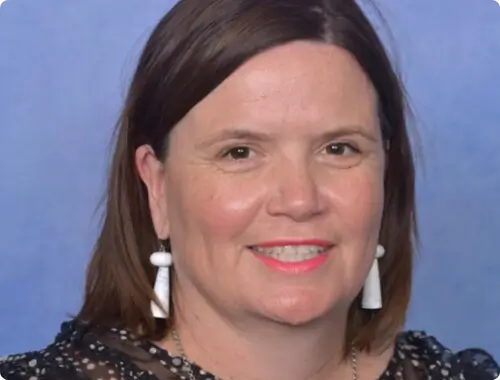
Fiona Philip
Fri 28 May